 Chat Now

 Call Now (210) 731-8453

 Email Us


Ultimate Guide to Commonly Used Fireplace Terms


If you're choosing, renovating, or designing a fireplace, you'll quickly encounter specialized terminology. What exactly is the difference between a mantel and a surround? Is the firebox the same as a fireplace insert? And where does the hearth end and the fireplace opening begin?
Understanding the basic parts of a fireplace makes it easier to communicate with designers, architects, installers, and fabricators—and particularly useful when designing a bespoke fireplace.
This fireplace terminology guide explains the most common architectural and functional components, from the mantel and hearth you see in the room to the damper and flue working behind them.
When it comes to the anatomy of a fireplace—gas, electric, or a more traditional wood-burning fireplace—you'll quickly discover the vast vocabulary that comes with it. From the mantel shelf to the firebox, understanding these terms can streamline the shopping or design process.
The firebox is the part of your fireplace that is typically built into the wall. It's where the fire burns, and while most of it is hidden, you might be able to see the back wall or interior lining.
Homeowners often install fireplace inserts to increase heating efficiency and update the fireplace's appearance. The firebox, designed with fire-resistant materials to handle direct flames and high heat, is a permanent architectural feature critical for the safety and functionality of all types of fireplaces.
The mantel is the top horizontal protruding shelf/ledge over a firebox. A fireplace mantel spans the top of a firebox and is often supported by legs, generally the deepest and heaviest section of the fireplace. It can also be floating, supported by corbels, and appear well above the firebox or right in line with the opening.
The mantel may or may not have the depth or design to function as a shelf, though it is a must-have for many homeowners and a popular place to decorate. A mantel shelf may be floating or incorporated into a complete fireplace surround.
The hearth refers to the horizontal floor area directly in front of the firebox opening. A fireplace hearth is usually as wide as the firebox and the legs combined. Its depth is strictly circumscribed, anywhere from 18 inches to 24 inches. Local building codes may govern the depth and acceptable materials for the hearth.
The hearth extension is the portion of the hearth that projects beyond the fireplace opening into the room.
Its practical purpose is to provide a noncombustible surface between the fire and nearby flooring. The required dimensions vary according to fireplace design and applicable codes.
Visually, the hearth extension can also influence the proportions of the fireplace, ranging from a relatively subtle stone projection to a substantial raised platform.
The vertical architectural elements positioned on either side of the fireplace opening are commonly called legs or jambs.
These elements support the visual composition of the mantel and can range from simple rectangular stone pieces to intricately carved profiles.
For a bespoke stone fireplace, the width, shape, and detailing of the legs are important components of the overall proportions.
The fireplace surround is commonly used to refer to the decorative and structural assembly framing the fireplace: mantel, legs, and returns. Ultimately, it is what makes up all parts of a fireplace in its entirety. The only exception to this would be the firebox itself.
The surround works harmoniously with the hearth—the floor-level platform in front of the firebox—to create a unified and intentional design. Together, these elements contribute to the aesthetic impact of the room. A well-crafted surround can turn your fireplace into the centerpiece of a space, drawing people in and setting the stage for a beautiful fire.
The bracket or block that projects from the face of a wall is called the corbel. While physically and visually supporting elements are placed above it, the corbel is a popular fireplace design found on either side of the fireplace opening beneath the mantel.
The lowest part of the leg on a fireplace, often referred to as the "foot," is called the plinth. This decorative transition piece between the leg and the hearth is referred to as the base of the fireplace.
A custom fireplace demands precision, starting with a clear understanding of its core terminology. Familiarity with terms like firebox, hearth, and surround enables you to communicate your vision accurately when you request a bespoke fireplace design from MATERIAL's in-house experts, ensuring intentionality in every detail.
The lintel is the horizontal structural element spanning the top of the fireplace opening.
Although it occupies a similar visual area to the mantel, the two terms describe different elements: the lintel supports the structure above the opening, while the mantel is primarily an architectural and decorative component.
This distinction is particularly useful when discussing fireplace construction with an architect, builder, or fabricator.
A return is the portion of an architectural stone element that turns from its front-facing surface back toward the wall or adjoining surface.
Returns help give a stone mantel or surround visual depth and are an important consideration when specifying the dimensions and fabrication of a custom fireplace.
Some of the most important fireplace components are largely hidden from view. These terms relate more closely to how a fireplace contains the fire and, for combustion fireplaces, moves smoke and gases safely out of the home.
Not every fireplace type contains all of these components.
A fireplace insert is a manufactured heating unit designed to be installed within an existing fireplace opening or enclosure.
An insert is different from the firebox itself: the firebox is the chamber or structural area associated with the fireplace, while an insert is a separate appliance placed within an opening.
Inserts may be designed for wood, gas, or other approved fuel systems.
A damper is a movable component used in many traditional fireplaces to open or restrict the passage between the fireplace and chimney.
When a wood-burning fireplace is in use, the damper must allow combustion gases and smoke to move toward the flue. When the fireplace is not operating, closing the damper can help limit unwanted airflow.
Not every modern fireplace uses a traditional throat damper.
The flue is the passage through which smoke and combustion gases travel out of the fireplace.
The flue is located within the chimney or venting system, which is why the terms flue and chimney should not be used interchangeably.
The chimney is the structure that carries fireplace exhaust above and away from the building.
A chimney may contain one or more flues. In a traditional masonry fireplace, it also contains or connects with several internal components that help direct smoke from the firebox upward.
In a traditional masonry fireplace, the smoke chamber is the transitional space above the firebox that directs smoke toward the narrower chimney flue.
Its tapered shape helps guide combustion gases upward before they enter the flue.
The smoke shelf is a ledge found behind the damper area in many traditional masonry fireplaces, below the smoke chamber.
It is part of the transition between the firebox and chimney system and should not be confused with the mantel shelf visible from the room.
A chimney cap sits over the top of a chimney or flue opening. It helps limit rain, debris, and animals from entering the chimney while still allowing exhaust to escape.
Not every fireplace has a traditional chimney, so this component generally applies to vented fireplace systems that use one.
Knowing fireplace terminology becomes particularly useful when customizing an architectural stone fireplace.
Rather than simply asking for a larger or smaller fireplace, you can discuss the proportions of the mantel shelf, width of the jambs, profile of the plinth, depth of the returns, and relationship between the surround and hearth.
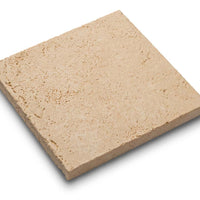
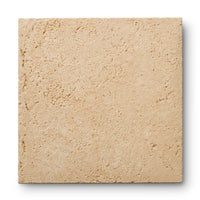
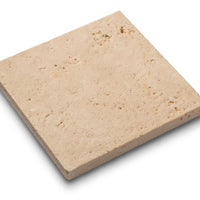
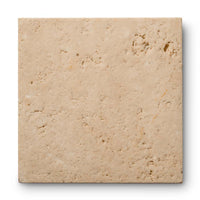
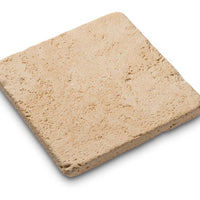
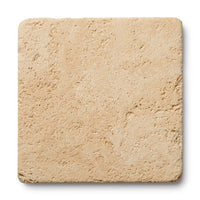
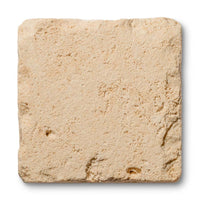
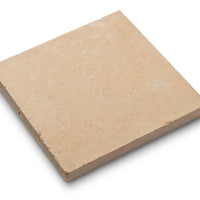
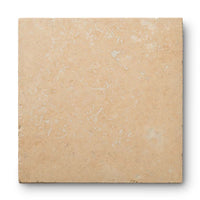
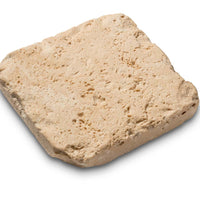
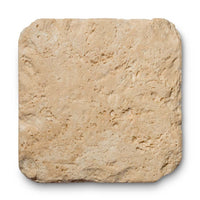
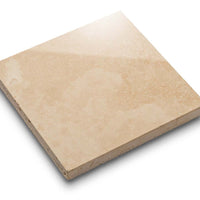
Material selection introduces another set of choices. Marble, limestone, travertine, and other natural stones vary in color, movement, texture, and application requirements, while handcrafted finishes can further change the character of the finished fireplace.
For more guidance on material selection, see our guide to choosing the best stone for a fireplace.
Internal links:
Bespoke Services
Fireplace collection
Fireplace Materials: Best Stone for Fireplace
Natural stone colors / finishes
You've now got a solid foundation in fireplace terminology—but there's so much more to explore when it comes to creating a truly custom, design-forward fireplace. Below are ways to continue your journey and make more confident, creative, and informed decisions:
1. What are the different types of fireplaces, and what should you consider when choosing one?
Each fireplace type—gas, electric, or wood-burning—offers unique benefits, aesthetics, and considerations. Explore installation options, maintenance needs, and how each supports different design visions. A ventless fireplace, for example, allows for greater placement flexibility and minimalist framing, perfect for sleek interiors.
2. What is the process for designing a custom fireplace?
Designing a custom fireplace involves more than selecting finishes. Learn how to choose the right dimensions, placement, and style to complement your space. Our experts help you select each element, including hearth sizing, mantel detailing, and how to safely and beautifully meet building codes.
3. How can one visualize a custom fireplace design before it's built?
MATERIAL offers augmented reality (AR) technology that allows you to visualize a fireplace in your space from any perspective. Position the fireplace in your desired location and adjust the position, scale, and angle for the perfect fit.
4. How does MATERIAL balance function and beauty in fireplace design?
Great design never sacrifices efficiency. We prioritize the right natural stone material, heat efficiency, and safe, code-compliant construction—without compromising elegance.
5. How do I get started on my bespoke fireplace with MATERIAL?
Ready to bring your dream fireplace to life? Contact our team for a consultation or custom quote. From inspiration to installation, we're here to help craft a one-of-a-kind fireside experience that reflects your style, space, and story.
Please note: comments must be approved before they are published.
* indicates a required field
Our finishes are applied by hand, ensuring that each element of your order matches and blends together well. In some instances, you may notice a natural variation in the application of the finish. This is normal and should be expected with a handmade item.