 Chat Now

 Call Now (210) 731-8453

 Email Us


A Fireplace Hearthside You’ll Cozy Up To Year Round


Few architectural elements shape a space quite like a fireplace. Indoors, it can anchor a living room, dining room, bedroom, or gathering space. Outdoors, a stone fireplace can transform a patio or courtyard into an extension of the home.
Natural stone gives fireplace design extraordinary range. A carved limestone surround can feel classically architectural, while dramatic marble or a clean-lined stone composition can create a distinctly contemporary focal point.
At MATERIAL Bespoke Stone + Tile, our fireplaces are designed around the architecture of the space, with customizable stone, proportions, detailing, and finishes. Whether you're designing an indoor fireplace or an outdoor gathering place, the goal is the same: create a feature that feels integral to the environment around it.
A fireplace is more than the firebox itself. The surround, mantel and hearth all contribute to its proportions and overall architectural character.
Natural stone makes each of these elements an opportunity for design. Color can create contrast or blend quietly into the room, while veining, texture, edge details and finish can shift the fireplace from refined and traditional to minimal and contemporary.
Before selecting a particular stone, begin with the broader design: Where will the fireplace sit? What role should it play in the room? Should it command attention or integrate quietly into the architecture?
Once those decisions are established, material and finish can reinforce the desired look.

Indoors, the fireplace often establishes the visual center of a room. The right design should feel connected to the home's architecture rather than added as an isolated decorative feature.
Instead of assuming an indoor fireplace must be traditional, consider how its proportions, stone, detailing and surrounding architecture can support different aesthetics.
Traditional fireplaces are usually located in an enclosed area like the living room, dining room, or bedroom. They can give spaces symmetry and balance. Choose a fireplace design that is authentic to you and the period of your residence or property.
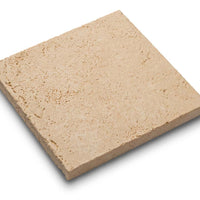
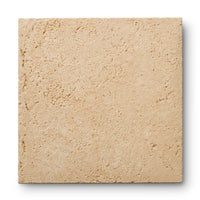
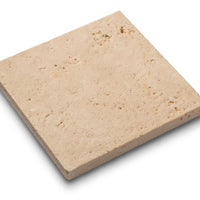
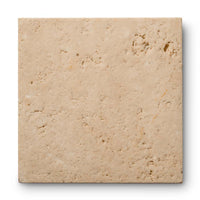
We recommend stones like our Bianco Marble or Riviera Beige Limestone at MATERIAL. Both have a high heat tolerance that can be used with natural gas, electric fireplace inserts, or wood-burning fireplaces.
When properly maintained, illuminating white and grey marble stone can withstand cracks or chips. Limestone is a softer building material with equal durability. It is unlikely to get dented, scratched, or broken.
Entertain indoors without worrying about inclement weather, and relax inside on a beautiful evening.

For traditional interiors, a carved natural stone mantel can introduce symmetry, depth, and a sense of permanence. Limestone and marble are especially well suited to designs inspired by historic European and classical architecture.
Consider repeating architectural details found elsewhere in the home—such as moulding profiles, arches, columns, or geometric lines—to make the fireplace feel original to the space.
Contemporary fireplaces often rely on fewer details and stronger proportions. Clean stone surrounds, broad slabs, restrained profiles, and dramatic natural veining can create a focal point without traditional ornamentation.
A minimalist room may call for a fireplace that blends into the architecture, while a highly expressive marble can turn the fireplace itself into artwork.
Consider the surrounding finishes as well. Flooring, wall color, woodwork, furniture, and stone should work as a single composition rather than compete for attention.
Fireplace proportions should respond to the size and architecture of the room.
A tall great room can accommodate a larger or more vertical fireplace composition, while a smaller room may benefit from a restrained surround that maintains visual breathing room. Full-height stone can emphasize ceiling height; a more compact mantel can introduce warmth and definition without dominating the space.
Scale is one of the recurring considerations in contemporary stone-fireplace design guidance because the fireplace naturally becomes an architectural focal point.
An outdoor fireplace can make a patio, terrace, or courtyard feel like a true outdoor room.
Begin by considering how the fireplace relates to the overall layout. It might anchor a seating area, create a destination at the far end of a terrace, define separate dining and lounging zones, or become part of a larger outdoor entertaining space.
Because an exterior fireplace is exposed to changing weather conditions, material and finish selection should account for the project's climate, exposure, installation, and fireplace design. MATERIAL's team can recommend appropriate options for the specific application.
Treat the fireplace as the architectural anchor of the seating area rather than as a standalone feature.
Arrange seating toward the hearth, coordinate adjacent flooring and stone, and consider how the fireplace will look both when a fire is burning and when it is not. A well-designed outdoor fireplace should contribute to the space throughout the year.
Outdoor-fireplace design content increasingly treats the feature as part of the broader layout—helping define seating and entertaining zones rather than simply supplying heat.
For homes with strong indoor-outdoor connections, repeating or coordinating materials can create continuity between the two spaces.
A stone used on interior flooring, architectural details, or an indoor fireplace might inspire the color or texture of the exterior hearth. The materials do not need to match exactly; complementary undertones and finishes can create a more subtle connection.
When narrowing down fireplace ideas, consider the architecture first and the stone second. A few key decisions can help guide the design:
Architectural style: Ornamental carved mantels can complement traditional interiors, while streamlined profiles suit contemporary spaces.
Scale: Consider the width and height of the wall, ceiling height, furniture placement, and the proportions of the firebox.
Color: Light limestone and marble can create a softer focal point, while dark or dramatically veined stone creates stronger contrast.
Texture and finish: Honed finishes can feel understated and contemporary, while more textured finishes introduce depth and character.
Indoor or outdoor placement: Exterior applications introduce different exposure and performance considerations than interior installations.
Fireplace type: Material selection and construction should be appropriate for the specific fireplace system and heat conditions.
Because stone properties and installation requirements vary, confirm the appropriate material, finish, and construction specifications for the individual project.
Although fireplaces are naturally associated with colder weather, a well-designed fireplace should contribute to the space even when it is not in use.
Indoors, treat the fireplace as permanent architecture rather than seasonal décor. Artwork, furniture placement, lighting, and mantel styling can reinforce it as the room's focal point throughout the year.
Outdoors, consider the fireplace as part of the overall landscape and entertaining plan. Its stone, proportions, and architectural detailing should remain visually compelling during warmer months when the fire itself may be secondary.
This approach also makes the original “year round” premise meaningful instead of leaving it primarily in the title.
With over thirty unique natural stone color options and sixty-plus custom designs, your choices are endless. We will cut the stone precisely how you want for a custom fireplace.
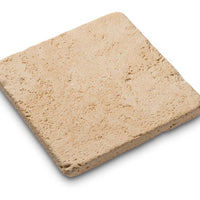
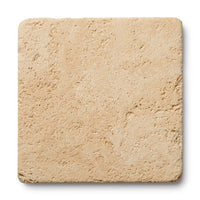
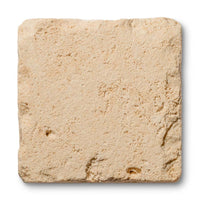
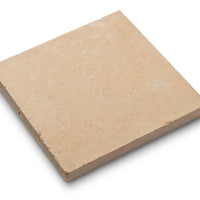
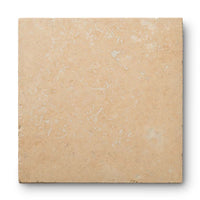
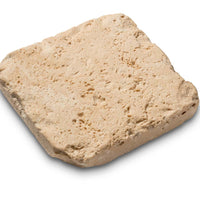
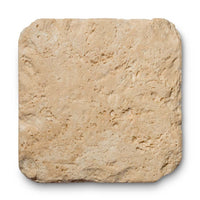
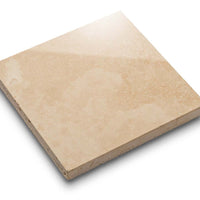
Stone will add flair to the fireplace surround, mantel, sides, and base (hearth) around the fireplace opening. Available in antico, brushed, french quarter, hand hewn, honed, and polished finishes.
Are you looking for inspiration for your existing fireplace or home decor? View our featured fireplace collection from top designer Donna Mondi. Her line of luxury, European-inspired, hand-carved fireplaces hints at classical architecture and modernity with an edge.
MATERIAL’s in-house design team is here to help if you have questions regarding bespoke solutions.
Different stones offer different aesthetic and performance characteristics, so the best choice depends on the fireplace type, application, desired appearance, and project requirements. Marble, limestone, travertine, granite, and other natural stones may all be considered depending on the design.
For a detailed comparison, see MATERIAL's Fireplace Materials: Best Stone for Fireplace guide.
Natural stone is commonly used for outdoor fireplace surrounds and architectural elements, but climate, weather exposure, finish, sealing, and installation requirements should all be considered when selecting a material.
Natural stone can be incorporated into the mantel, surround, hearth, and other architectural elements around the fireplace. The exact design depends on the firebox and overall construction.
Please note: comments must be approved before they are published.
* indicates a required field
Our finishes are applied by hand, ensuring that each element of your order matches and blends together well. In some instances, you may notice a natural variation in the application of the finish. This is normal and should be expected with a handmade item.